
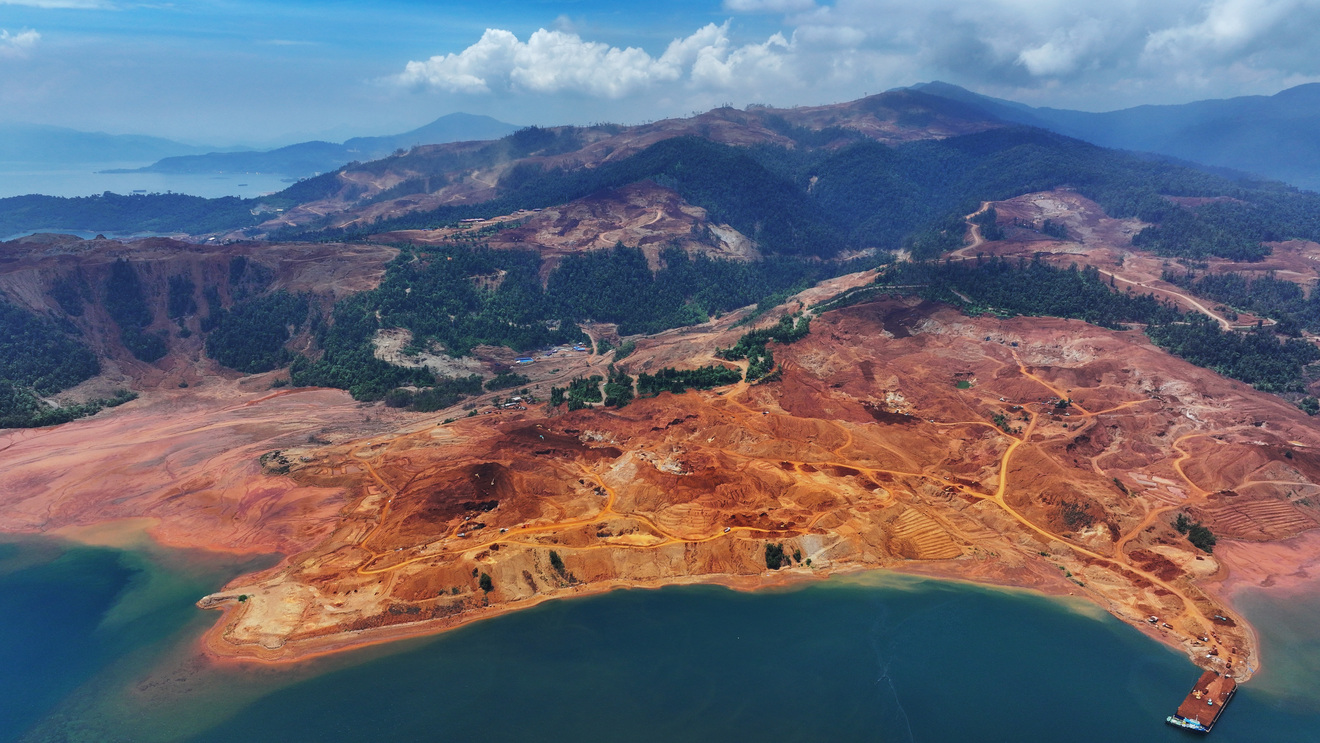
Deforestation status in Indonesia 2025
Deforestation surges - the time is right for Indonesia to protect all of its remaining natural forest
Jakarta, 31 March 2026 – According to latest figures released by Auriga Nusantara through Indonesia Deforestation Status 2025 (STADI 2025), deforestation in Indonesia surged to a total of 433,751 hectares in 2025, an increase of 66% compared to the 261,575 hectares recorded in 2024.
Auriga Nusantara has been publishing annual deforestation data for Indonesia since 2023. It does so to promote the democratization of deforestation data and prevent data monopolies that could obscure on-the-ground realities and distance public policies and/ or practices in the field away from the empirical need to halt deforestation in Indonesia. As a form of transparency, its deforestation maps and analyses are made available through the publicly accessible Simontini (Indonesia Land Cover and License Information System) platform.
Its 2025 deforestation data and maps were produced through a combination of spatial modeling using 10-meter resolution Sentinel-2 satellite imagery, visual inspections, and ground truthing. Deforested areas were detected using monthly deforestation alerts generated by the University of Maryland, which were further processed to cover far greater expanses in order to minimize the risk of deforested areas being overlooked. In doing so, it used natural forest cover maps produced by MapBiomas Indonesia, the Ministry of Forestry, the European Commission’s Joint Research Centre, and Google’s Forest Persistence dataset as references. Auriga Nusantara conducted field visits covering 49,321 hectares of deforestation sites in 38 villages across 28 regencies in 16 provinces in Sumatra, Kalimantan, Sulawesi, Nusa Tenggara, the Maluku Archipelago, and Papua.
Deforestation on Indonesia’s major islands, 2021–2025 (in hectares)
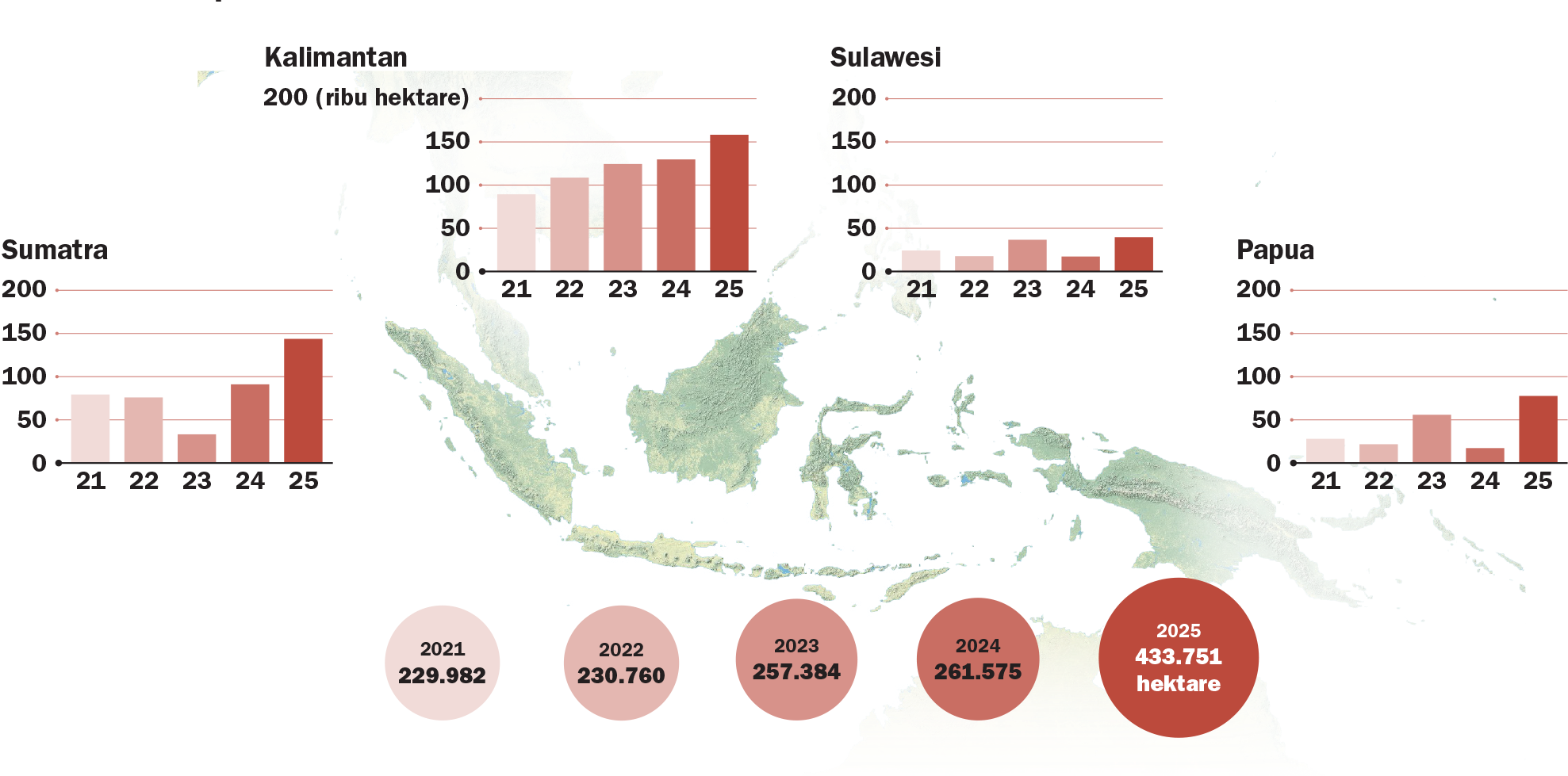
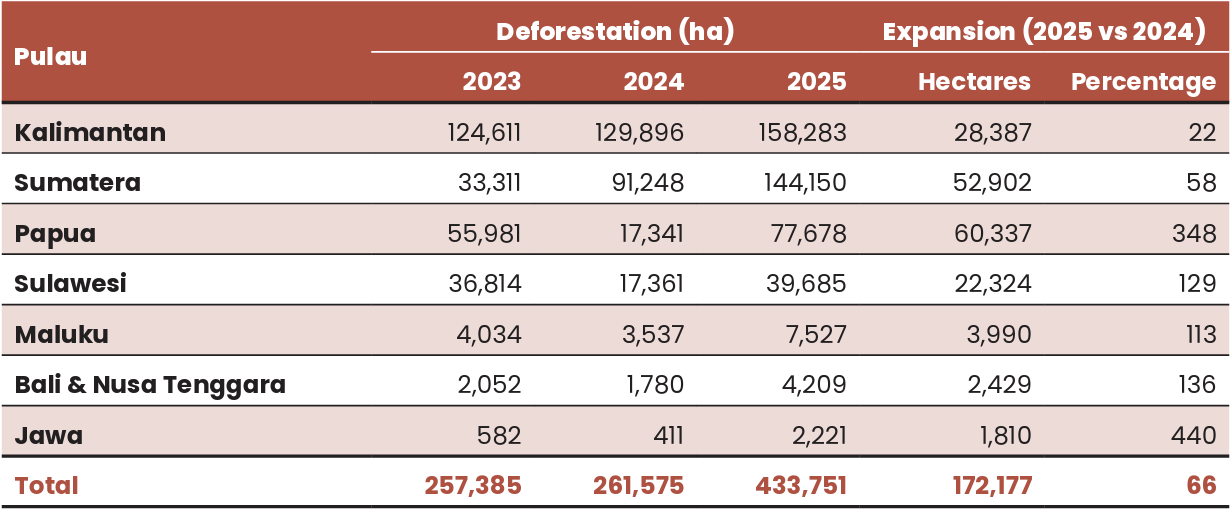
Kalimantan once again recorded the greatest extent of deforestation, making it the region with the highest deforestation rate for consecutive years since 2013. In 2025, all of Indonesia’s large islands experienced expansions in deforestation, with Papua seeing the largest increase of 60,337 hectares compared to 2024. The largest percentage increase occurred on Java, where deforestation rose by 440% compared to 2024.
Indonesia’s monthly deforestation in 2025 reached an average of 36,146 hectares, with the peak deforestation period occurring between April and October, and the highest level recorded in May.
Deforestation occurred in all Indonesian provinces except the Jakarta Special Capital Region and the Special Region of Yogyakarta. Where the top ten provinces for deforestation in 2024, in order, were: (1) East Kalimantan, (2) West Kalimantan, (3) Central Kalimantan, (4) Riau, (5) South Sumatra, (6) Jambi, (7) Aceh, (8) North Kalimantan, (9) Bangka Belitung, and (10) North Sumatra, the top ten ranking in 2025 shifted to: (1) Central Kalimantan, (2) East Kalimantan, (3) Aceh, (4) West Kalimantan, (5) Central Papua, (6) West Sumatra, (7) North Sumatra, (8) North Kalimantan, (9) Riau, and (10) Highland Papua.
Three provinces that experienced catastrophic landslides and flooding in northern Sumatra at the end of 2025 recorded dramatic increases in deforestation: Aceh (426%), North Sumatra (281%), and West Sumatra (1,034%).
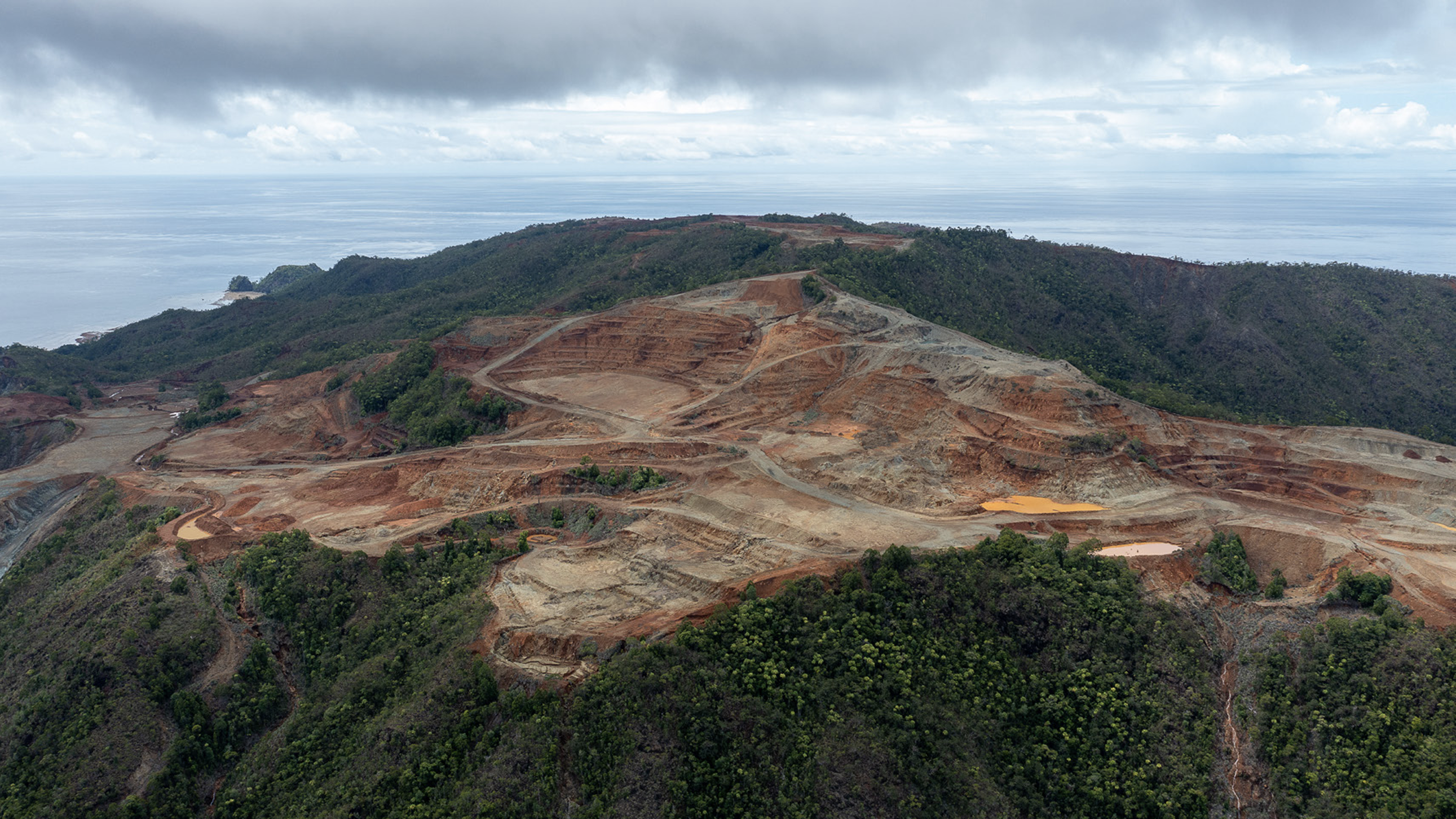
Deforestation resulting from nickel mining in the concession of PT Anugera Surya Pratama in Manuram Island, Raja Ampat, Southwest Papua. Photo: © Auriga Nusantara, Septembar 2025.
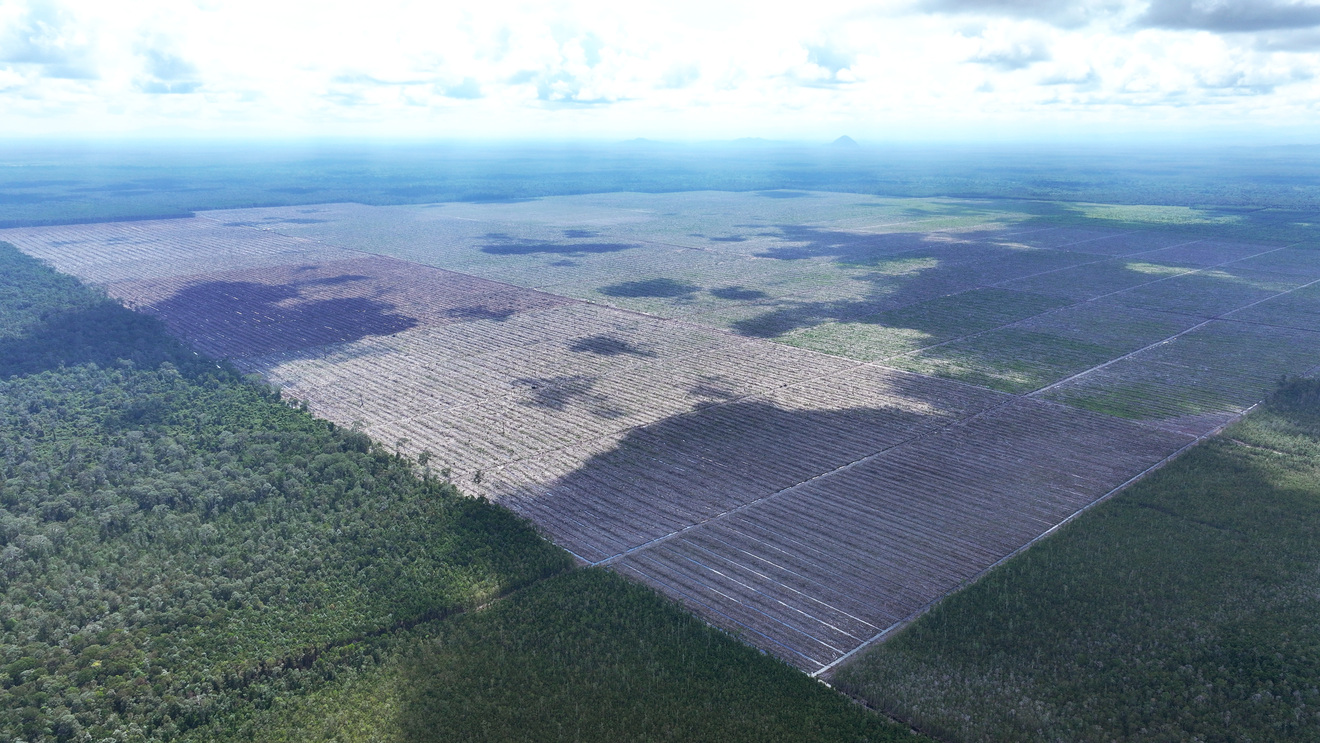
Deforestation for oil palm development in the PT Borneo International Anugerah concession in Putussibau, Kapuas Hulu, West Kalimantan. Photo: ©Auriga Nusantara, Juni 2025.
Deforestation occurred in 383 regencies/municipalities, or 74% of Indonesia’s total of 514, down from 428 in the previous year. The top ten regencies for deforestation were in Kalimantan (Berau, East Kutai, Kapuas, Kapuas Hulu, Katingan, Murung Raya, Gunung Mas, and Bulungan) and Papua (Sorong and Merauke), accounting for 95,733 hectares or 22% of national deforestation.
In regard to land control status, 307,861 hectares (71%) of deforestation occurred inside forest estates managed by the Ministry of Forestry, while 125,890 hectares occurred in other land use areas (APL) managed by regional governments or land/concession holders.
In late December 2024, two months after the inauguration of President Prabowo Subianto and Vice President Gibran Rakabuming Raka, the Government of Indonesia launched a food security program allocating 20.6 million hectares of the forest estate for food, energy, and water reserves. A total of 78.123 hectares, or 18% of national deforestation occurred within these designated areas. Populist programs like this, including various projects labeled National Strategic Programs, have contributed to the surge in deforestation in Indonesia.
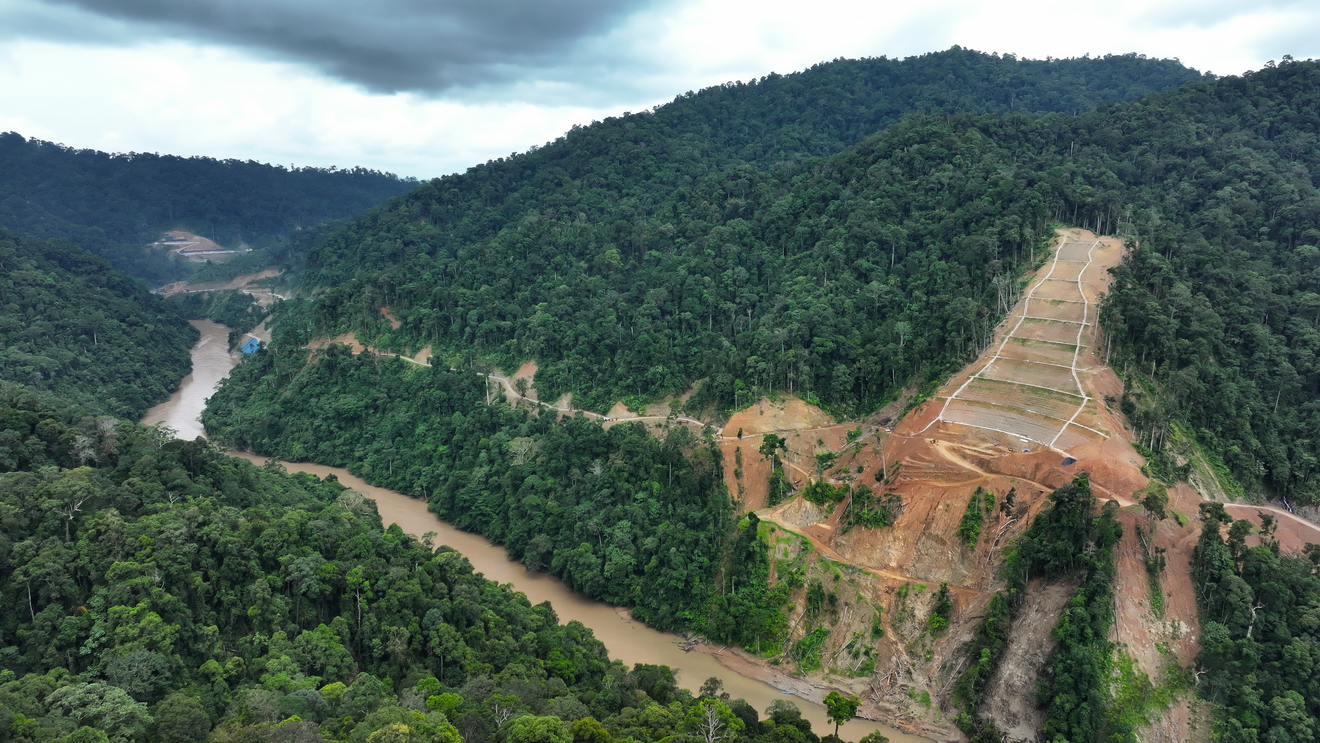
Deforestation for the construction of a hydro-electric power plant to supply electricity to the Indonesia Green Industry Estate (KIHI) strategic national project in Tanah Kuning Mangkupadi, Bulungan, North Kalimantan. Photo: ©Auriga Nusantara, Oktober 2025.
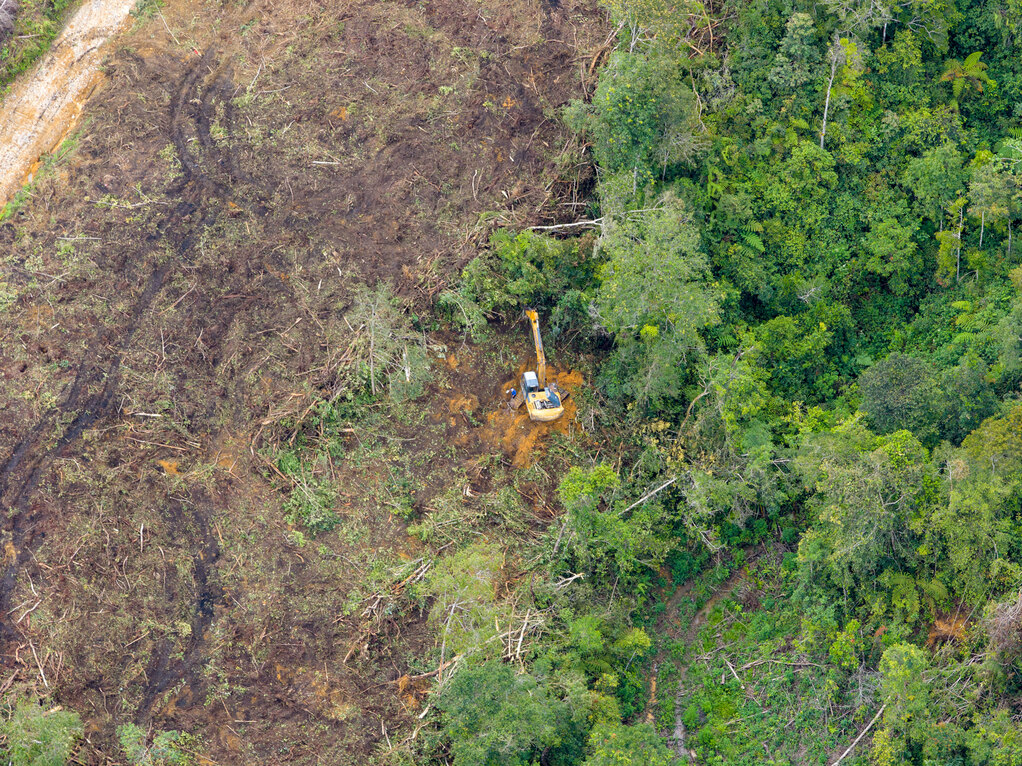
Deforestation resulting from expansion in the PT Toba Pulp Lestari pulpwood concession’s Aek Raja sector, North Tapanuli, North Sumatra. Photo: ©Auriga Nusantara, Desember 2025.
To address this situation, Auriga Nusantara proposes the following recommendations: (1) issuing regulations that ensure the protection of all remaining natural forests in Indonesia; (2) procuring and applying instruments to control spatial planning revisions; (3) accelerating the expansion of conservation areas, particularly outside the forest estate; (4) redistributing institutional responsibilities and forest management personnel so all forest cover has oversight and protection; (5) ensuring that corporations managing areas with forest cover commit to environmental, social, and governance (ESG) principles; and (6) providing incentives for regional governments, communities, and corporations that protect natural forests.
A full analysis is available here, while the 2025 digital deforestation map can be accessed here.
Contacts: Deddy Sukmara (dedy@auriga.or.id); Vicky Suryono (vicky@auriga.or.id)